


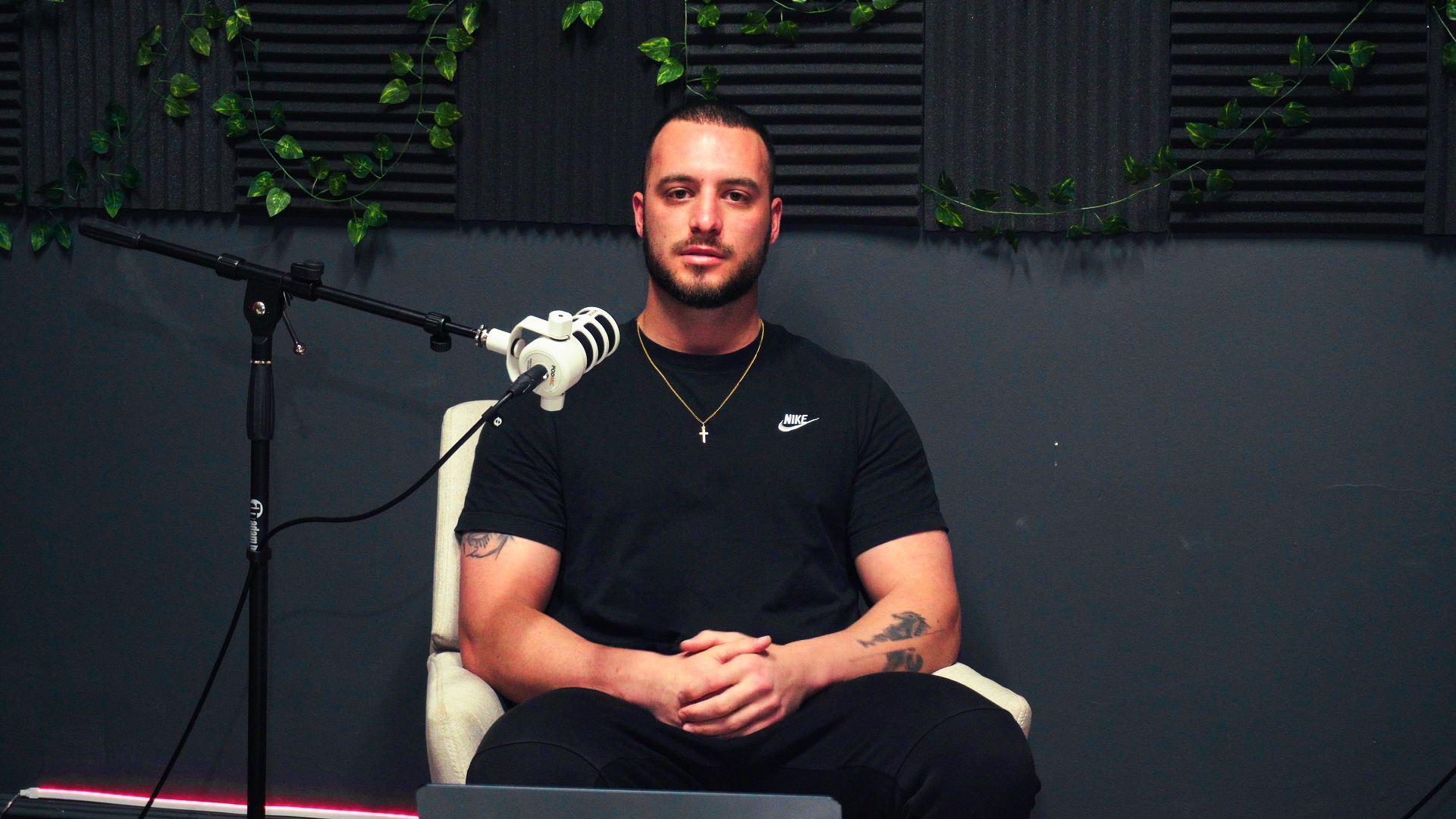
Sports fandom has always been about more than just watching games. It’s about analysis, debate, community, and the stories behind the competition. In 2025, sports commentary podcasts have become central to how fans experience and engage with sports, fundamentally transforming fan culture in ways traditional sports media never could. From deep tactical breakdowns to emotional post-match reactions, these podcasts offer perspectives and access that television broadcasts and newspaper columns can’t match.
The Evolution of Sports Media Consumption
Traditional sports media operated on a one-to-many model: broadcasters and journalists delivered content, and fans consumed it passively. Sports commentary podcasts have disrupted this model entirely, creating spaces where fans feel like participants in the conversation rather than mere spectators. The intimacy of the podcast format makes listeners feel like they’re sitting in the pub with knowledgeable friends discussing the weekend’s games, not being lectured by distant experts.
This shift reflects broader changes in how audiences relate to media. Today’s sports fans expect authenticity, accessibility, and the ability to engage with content creators. They want behind-the-scenes insights, not just sanitized official narratives. They value passionate opinions from people who genuinely care about their team or sport, even if those opinions are controversial or emotional.
Podcasting’s flexibility has also changed when and how fans consume sports content. No longer bound to watching live broadcasts or reading morning newspapers, fans can now dive deep into analysis during their commute, catch up on multiple sports while exercising, or fall asleep to soothing sports discussion. This on-demand nature fits modern lifestyles far better than scheduled television programming.
Why Sports Podcasts Resonate So Powerfully with Fans
Sports podcasts tap into something fundamental about sports fandom: the need to process and discuss what we’ve witnessed. After a thrilling victory or crushing defeat, fans want to talk about it, understand it, and hear others’ perspectives. Sports podcasts provide this outlet in abundance, offering immediate post-match reactions, detailed tactical analysis, and emotional processing that helps fans make sense of their experience.
The parasocial relationships listeners develop with podcast hosts create deep loyalty. When you listen to the same hosts discuss your favorite team week after week, season after season, they become trusted companions in your fandom journey. You learn their perspectives, their biases, their sense of humor. This familiarity builds trust and makes the podcast feel like a conversation with friends rather than content consumption.
Moreover, sports podcasts democratize expertise. While traditional sports media often featured only former professionals or credentialed journalists, podcasting has revealed that some of the most insightful analysis comes from dedicated fans who’ve spent years studying their sport. Tactical podcasts run by non-professionals sometimes offer more sophisticated analysis than mainstream sports shows, challenging the notion that only insiders can provide valuable commentary.
Diverse Voices and Perspectives: Expanding the Conversation
One of the most significant impacts of sports podcasting has been the amplification of voices traditionally marginalized in sports media. Women’s sports coverage, often neglected by mainstream outlets, has found enthusiastic audiences through dedicated podcasts. These shows provide the in-depth coverage that women athletes and their fans deserve, discussing tactics, personalities, and storylines with the same seriousness as men’s sports.
Similarly, podcasts focusing on niche sports or lower-tier competitions have built passionate communities. Fans of second-division football, college basketball, rugby league, or cricket formats that television largely ignores can now access quality commentary tailored to their interests. This diversity of content enriches overall fan culture by acknowledging that not everyone supports top-tier teams or mainstream sports.
Cultural perspectives have diversified too. Indigenous sports fans, multicultural communities, and LGBTQ+ supporters have created podcasts reflecting their unique viewpoints and experiences within sports fandom. This representation matters, making sports culture more inclusive and acknowledging that fandom is experienced differently depending on one’s identity and background.
The Rise of Fan-Created Content and Expertise
Perhaps the most revolutionary aspect of sports podcasting is how it’s enabled fans to become content creators. Anyone with knowledge, passion, and a microphone can now start a sports podcast. While quality varies widely, the best fan-created content rivals or surpasses professional sports media in insight, entertainment value, and audience engagement.
This democratization has challenged traditional gatekeepers. Sports journalists and former athletes no longer hold monopolies on sports commentary. Fans who’ve dedicated years to understanding tactical nuances, tracking player development, or analyzing statistical trends have found audiences who value their expertise. Some fan podcasters have even leveraged their success into professional opportunities, hired by clubs or media organizations who recognize their value.
The fan perspective itself has become valuable. While professional commentators must maintain certain relationships and diplomatic stances, fan podcasters can express frustration with poor club management, criticize underperforming players, or celebrate victories with uninhibited joy. This emotional authenticity resonates with listeners who feel similarly invested.
Tactical Deep Dives: Satisfying the Appetite for Analysis
Modern sports fans are increasingly sophisticated in their understanding of tactics and strategy. Video games, advanced statistics, and accessible tactical writing have educated audiences to appreciate the chess match within the physical contest. Sports commentary podcasts have responded by offering deep tactical analysis that television broadcasts, constrained by time and the need to appeal to casual viewers, cannot provide.
These analytical podcasts break down formations, player positioning, pressing strategies, transition play, and tactical adjustments with granular detail. They use clips, diagrams, and extended discussion to help listeners understand the technical aspects of what they’re watching. For fans who crave this depth, such podcasts transform their viewing experience, allowing them to notice details they’d previously missed.
The educational aspect shouldn’t be understated. Many fans report that listening to tactical podcasts has fundamentally changed how they watch sports, helping them appreciate the sport at a deeper level. They notice off-ball movement, defensive positioning, and strategic decisions that once went unobserved. This enhanced understanding makes the viewing experience richer and more engaging.
Production Quality: Professional Studios Elevating Sports Content
As sports podcasting has matured, production quality has become increasingly important for attracting and retaining audiences. Early sports podcasts often featured poor audio quality, multiple speakers talking over each other, or inconsistent volume levels that made listening frustrating. Today’s successful sports podcasts understand that professional production is essential.
Many top sports podcasters have discovered the value of recording in professional studio environments. The acoustic treatment, quality microphones, and technical support ensure clear audio where every voice is distinct and balanced. This clarity is particularly crucial for sports podcasts featuring multiple hosts engaged in passionate debate – without proper production, these conversations can become chaotic and hard to follow.
Some forward-thinking sports podcasters are leveraging video capabilities to enhance their content. Recording in professional studios equipped with 4K cameras and proper lighting allows them to create video versions that perform well on YouTube and social media. Visual elements add another dimension to sports discussion – hosts can use screens to show clips or tactical diagrams, and viewers can see facial expressions and gestures that add context to verbal discussion.
Building Community: From Listeners to Participants
The most successful sports podcasts don’t just broadcast to audiences; they build communities around shared passion. Hosts who actively engage with listeners through social media, incorporate listener questions and comments, and acknowledge long-time fans create loyal communities that feel invested in the podcast’s success.
Live shows and meet-ups have become popular ways to strengthen these communities. When podcasts organize live recordings at sports venues or local establishments, listeners get to meet hosts and fellow fans face-to-face. These events often become memorable experiences that deepen connections within the podcast community.
Some sports podcasts have even begun organizing supporters’ groups, charity initiatives, or collaborative projects that extend beyond content consumption. When podcast communities rally around causes or organize activities together, the podcast becomes more than entertainment – it becomes a hub for genuine community building.
The Business Model: Sustainability in Sports Podcasting
As sports podcasting has grown, creators have explored various monetization strategies. Traditional advertising remains common, with sports-related brands eager to reach passionate, engaged audiences. However, the most sustainable podcasts often diversify their revenue streams.
Patreon and similar platforms allow dedicated fans to support podcasts directly in exchange for bonus content, early access, or other perks. This model aligns well with sports fandom’s passionate nature – listeners who already invest emotionally and financially in supporting their teams are often willing to support content that enhances their fandom experience.
Live events, merchandise, and partnerships with sports clubs or organizations provide additional revenue opportunities. Some successful podcasters have transformed their shows into full-fledged media companies, employing staff and producing multiple shows across different sports or topics.
Impact on Traditional Sports Media
Sports podcasts have forced traditional sports media to adapt. Many newspapers and broadcast networks now produce their own podcasts, recognizing that audiences increasingly prefer this format. However, these institutional podcasts often struggle to match the authenticity and passion of independent creators who aren’t constrained by editorial guidelines or the need to maintain access to clubs and players.
Some traditional sports journalists have found greater success and creative freedom by leaving institutional media to focus on podcasting. Without editorial constraints or word limits, they can explore topics in depth and express opinions more freely. This migration of talent from traditional media to podcasting reflects broader shifts in the media landscape.
Interestingly, some podcasters have gained such influence that they’re now considered essential listening for players, coaches, and club executives. The boundary between “fan media” and “professional media” has blurred, with podcasts sometimes breaking news or conducting interviews that shape sporting narratives.
The Global Village: Connecting Fans Across Distances
Sports podcasts have made it easier than ever for geographically dispersed fans to stay connected with their teams and fellow supporters. Expatriate fans living far from home can maintain their connection to local clubs through podcasts produced by supporters back home. This accessibility helps preserve fan identity and community even across vast distances.
International fans of foreign leagues have similarly benefited. Someone in Australia can now follow European football through dozens of English-language podcasts offering match analysis, transfer rumors, and cultural context. This access has contributed to the globalization of sports fandom, breaking down geographic barriers that once limited how fans could engage with distant competitions.
Emerging Trends: Where Sports Podcasting Goes Next
Several trends are shaping the future of sports commentary podcasts. Real-time podcasting during matches is gaining popularity, with some shows offering live commentary and analysis as games unfold. This combines the immediacy of live sports with the depth and personality of podcasting.
Data integration is increasing, with podcasts incorporating advanced statistics and analytics into their discussion. As sports become more data-driven, podcasts help translate complex metrics into accessible insights for general audiences.
Interactive elements are emerging too, with some podcasts experimenting with listener voting on topics, crowdsourced questions for guests, or choose-your-own-adventure style content where audience feedback shapes the show’s direction.
Conclusion: The New Landscape of Sports Fandom
Sports commentary podcasts have fundamentally transformed how we experience sports fandom in 2025. They’ve democratized sports media, empowered fan voices, provided platforms for diverse perspectives, and created communities that extend beyond simple content consumption. For modern sports fans, podcasts aren’t a supplement to their fandom – they’re central to it.
Whether you’re a casual supporter looking for entertaining sports banter or a tactical nerd seeking sophisticated analysis, there’s a sports podcast designed for you. The medium’s flexibility allows for incredible diversity in content, tone, and approach, ensuring that every type of fan can find shows that resonate.
As you explore the world of sports podcasting, you’ll likely discover that it enhances your overall fandom experience. You’ll understand games more deeply, feel more connected to fellow supporters, and enjoy access to perspectives and insights that traditional media couldn’t provide. The revolution in sports media is here, happening in your earbuds, one podcast episode at a time.