


In an increasingly fast-paced world where stress and anxiety have become daily companions for millions, guided meditation and mindfulness podcasts have emerged as powerful tools for mental wellness. The year 2025 has seen these podcasts evolve from simple relaxation exercises into sophisticated programs that blend ancient wisdom with modern neuroscience, offering listeners accessible pathways to inner peace and emotional balance.
The Evolution of Meditation Podcasts
Meditation podcasts have transformed dramatically over the past decade. Early entries in this space often featured basic breathing exercises and simple relaxation techniques recorded in home studios. Today’s meditation podcasts are professionally produced experiences that incorporate spatial audio, nature soundscapes, and carefully designed sonic environments that enhance the meditative experience.
This evolution reflects both technological advancement and deepening understanding of how audio elements affect our mental states. Modern meditation podcast producers collaborate with sound designers, meditation teachers, neuroscientists, and mental health professionals to create content that’s not just relaxing but genuinely therapeutic. The result is content that listeners describe as transformative, helping them manage stress, improve sleep, and cultivate greater emotional awareness.
The democratization of meditation through podcasting has made these practices accessible to people who might never attend a meditation retreat or visit a meditation center. Anyone with a smartphone can now access world-class meditation instruction, often for free, anytime and anywhere.
Why Mindfulness Podcasts Are Booming in 2025
Several factors have contributed to the explosion of mindfulness podcast popularity in 2025. First, there’s growing scientific evidence supporting meditation’s benefits. Research demonstrating meditation’s positive effects on brain structure, stress response, and overall mental health has made the practice more appealing to skeptics and mainstream audiences alike.
Second, the collective experience of recent years has left many people seeking tools to manage anxiety and uncertainty. Mindfulness podcasts offer practical techniques for staying grounded when external circumstances feel chaotic. The intimate nature of the podcast format makes these teachings feel personal and accessible rather than abstract or theoretical.
Third, the integration of mindfulness practices into corporate wellness programs and healthcare settings has normalized meditation in ways that would have seemed unlikely a generation ago. As doctors recommend mindfulness apps and employers sponsor meditation programs, podcasts become natural extensions of these initiatives, offering free or low-cost alternatives to expensive apps or classes.
Finally, the format itself suits mindfulness practice perfectly. Unlike video content that demands visual attention, audio allows listeners to close their eyes, remove visual distractions, and focus inward. The portability of podcasts means meditation can happen during commutes, lunch breaks, before bed, or whenever moments of calm are needed.
Top Trends Shaping Meditation Podcasts Today
Several distinct trends are defining the meditation podcast landscape in 2025. One significant development is the rise of micro-meditations – short, focused sessions designed for busy people who struggle to find time for longer practices. These five-to-ten-minute episodes address specific needs: calming pre-meeting anxiety, processing difficult emotions, or transitioning between work and home life.
Another trend is the specialization of meditation content. Rather than general mindfulness guidance, many podcasts now target specific populations or needs. There are meditation podcasts designed specifically for healthcare workers, new parents, people managing chronic pain, students facing academic pressure, or individuals navigating grief. This specificity makes the content more relevant and effective for target audiences.
Integration with sleep science represents another major trend. Many meditation podcasts now offer dedicated episodes designed to facilitate better sleep, incorporating insights from sleep research about optimal sound frequencies, voice tones, and narrative structures that promote the transition from wakefulness to sleep. These sleep-focused episodes have become among the most popular content in the category.
The blending of meditation with movement practices has also gained traction. Walking meditation podcasts, yoga nidra sessions, and mindful movement guidance help listeners who find sitting meditation challenging. These hybrid approaches acknowledge that mindfulness can be cultivated through various modalities, not just traditional seated practice.
The Science Behind Effective Meditation Audio
Creating truly effective meditation content requires understanding how audio affects our nervous system and mental state. Voice quality proves crucial – the ideal meditation guide voice is warm, calm, and paced deliberately. Research suggests that lower-pitched voices tend to feel more calming, while steady, unhurried speech patterns help listeners relax.
Background soundscapes, when used, must be carefully selected. Nature sounds like ocean waves, rainfall, or forest ambience can enhance relaxation, but only when recorded and balanced properly. Jarring transitions, inconsistent volume levels, or unnatural-sounding audio can disrupt the meditative state rather than supporting it.
Silence plays a vital role too. The best meditation podcasts understand that strategic silence allows listeners to go deeper into their practice rather than remaining focused on the guide’s voice. The balance between guidance and silence distinguishes amateur meditation content from professional productions that genuinely serve practitioners.
Production Quality: The Professional Studio Advantage
As meditation podcasts have matured, production quality has become increasingly important. Listeners have come to expect pristine audio that doesn’t distract from the meditative experience. Any technical flaw – echo, background noise, microphone pops, or inconsistent levels – can jar listeners out of the peaceful state the podcast aims to create.
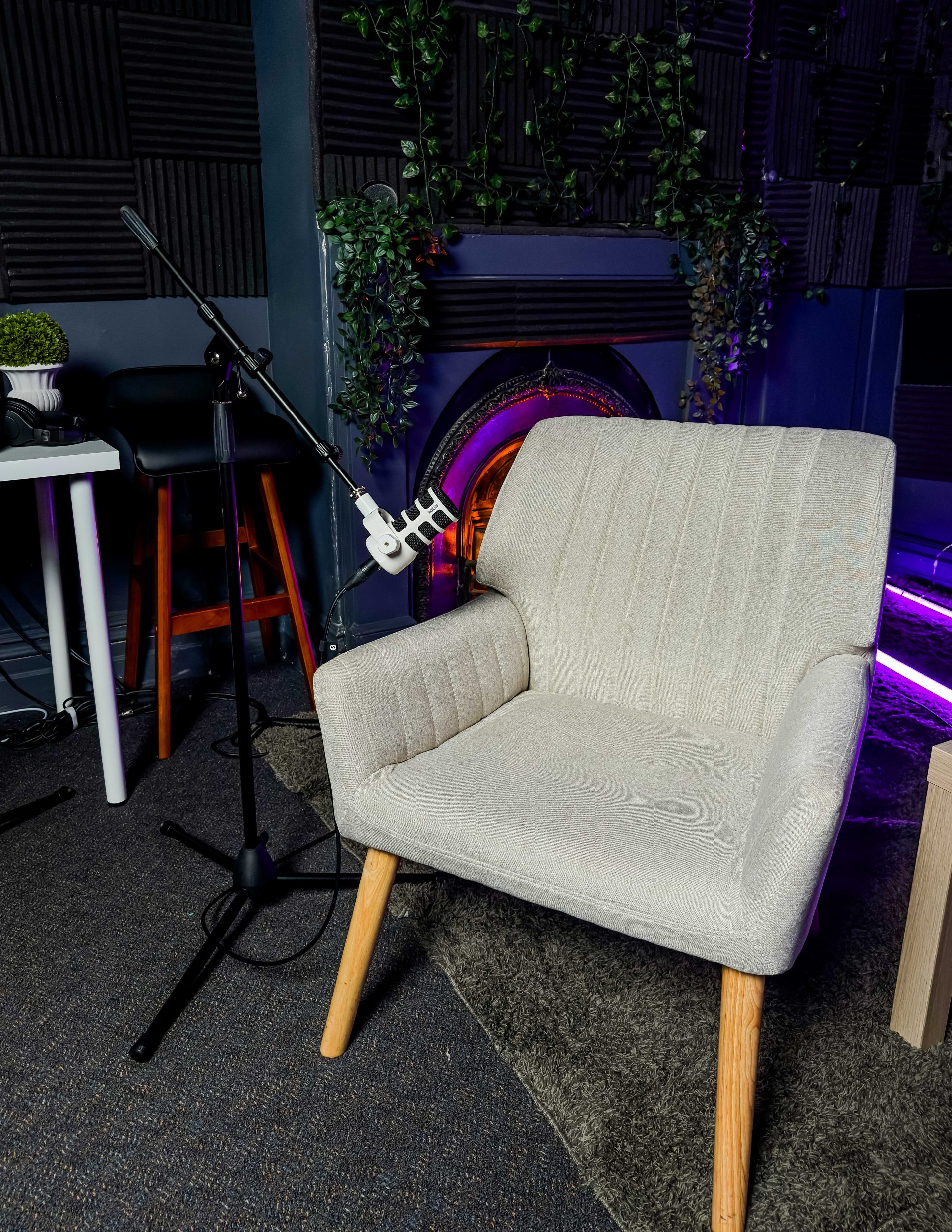
This is where professional recording environments make a significant difference. Many successful meditation podcast creators have discovered that studios with proper acoustic treatment and high-quality recording equipment elevate their content substantially. The controlled environment ensures consistency across episodes, which builds trust with listeners who return to the podcast specifically because they know what to expect.
Some creators are even leveraging advanced technology like 4K video recording to create visual meditation experiences that complement their audio content. While meditation fundamentally happens internally, many practitioners appreciate having a calming visual focal point, whether it’s a serene landscape, a flickering candle, or simply the peaceful presence of a meditation teacher. Professional studio environments with proper lighting and backgrounds make these video components as polished as the audio.
Mindfulness for Modern Challenges: Targeted Content
One of the most valuable aspects of the current meditation podcast landscape is the availability of content addressing specific contemporary challenges. There are now meditation series designed specifically for managing social media anxiety, coping with climate grief, navigating relationship difficulties, or processing work-related stress. This specificity helps listeners feel understood and supported in their particular struggles.
Some podcasts have begun offering secular mindfulness teaching that’s accessible to people from any religious background or none at all. This approach presents meditation as a practical skill rather than a spiritual practice, making it more appealing to skeptical or scientifically-minded individuals who might otherwise dismiss meditation as too “woo-woo.”
Other podcasts lean into the spiritual dimensions of meditation, offering content rooted in Buddhist, Hindu, or contemplative Christian traditions. This diversity means practitioners can find content that aligns with their worldview and spiritual orientation, whether that’s entirely secular or deeply spiritual.
Building a Personal Meditation Practice Through Podcasts
For beginners, meditation podcasts offer an accessible entry point to practice. Starting with guided sessions removes the intimidating uncertainty of “doing it right” that stops many people from beginning. A good meditation podcast for beginners will explain the basics, normalize common challenges like wandering attention, and provide encouragement to keep practicing.
Intermediate practitioners often benefit from podcasts that offer variety in techniques. Exploring different meditation styles – body scans, loving-kindness meditation, breath awareness, visualization, or open awareness – helps practitioners discover what resonates most deeply and prevents practice from becoming stale.
Advanced meditators might use podcasts differently, perhaps selecting longer silent meditation periods with minimal guidance, or seeking teachings that deepen theoretical understanding of meditation philosophy and psychology. Some advanced-level podcasts offer dharma talks, discussions of meditation texts, or interviews with experienced teachers.
Regardless of experience level, consistency matters more than duration. A daily five-minute practice typically yields more benefits than an occasional hour-long session. Podcasts support consistency by making meditation convenient and removing barriers to practice.
The Business of Mindfulness: Sustainability and Authenticity
As meditation podcasts have grown in popularity, questions about monetization and authenticity have emerged. The best creators balance financial sustainability with genuine commitment to helping listeners. This might involve offering core content free while providing premium offerings for those who want deeper engagement.
Patreon memberships, bonus content, meditation courses, and retreat offerings allow meditation teachers to earn income from their podcast work without relying entirely on advertising. This approach feels more aligned with meditation’s values than heavy commercial sponsorship, though many podcasts do accept advertising from relevant wellness brands.
Transparency about monetization helps maintain trust. Audiences appreciate when creators are open about how they support their work and when sponsors align with the podcast’s values. The meditation community tends to be particularly sensitive to commercialization that feels exploitative or inauthentic.
Mindfulness Beyond the Podcast: Integration into Daily Life
The ultimate goal of meditation podcasts isn’t to create dependent listeners but to help people develop skills they can apply independently. The best podcasts teach not just relaxation techniques but genuine mindfulness that extends beyond formal practice into daily activities.
This might include teaching mindful eating, mindful communication, or bringing awareness to routine activities like washing dishes or walking to the car. When meditation becomes integrated into daily life rather than siloed into special practice sessions, its transformative potential multiplies.
Many podcasts now include reflection prompts or journal questions that encourage listeners to contemplate how meditation insights apply to their specific lives. This integration work helps bridge the gap between peaceful podcast sessions and the chaos of real-world demands.
The Community Dimension of Solo Practice
While meditation is often considered a solitary practice, many meditation podcasts have successfully built communities around their content. Social media groups, online forums, and live events allow listeners to connect with others on similar journeys, share experiences, and support each other’s practice.
This community aspect addresses one of traditional meditation’s challenges – isolation and lack of support for home practitioners. When you’re part of a podcast community, you’re practicing alongside thousands of others even when sitting alone in your living room. This sense of connection can be motivating and reassuring.
Some podcast creators have begun organizing virtual meditation sits where community members practice together via video conference, or in-person retreats where online communities meet face-to-face. These gatherings deepen the connection between creators and listeners while building lasting friendships among practitioners.
Looking Ahead: The Future of Meditation Podcasts
The meditation podcast space will likely continue innovating in coming years. We may see more integration with wearable technology that tracks physiological responses during meditation, providing feedback on heart rate variability, breathing patterns, or brain activity. This data could help practitioners understand which techniques work best for their unique physiology.
Personalization will probably increase, with adaptive content that responds to listeners’ stated needs, time available, or emotional state. Imagine selecting your current energy level and desired outcome, then receiving a customized meditation session designed specifically for that moment.
The science will continue deepening too. As neuroscientists better understand meditation’s effects on the brain, podcast creators will incorporate these insights into more targeted, effective practices. The gap between meditation as ancient spiritual practice and meditation as evidence-based intervention will continue narrowing.
Conclusion: Your Meditation Journey Awaits
Guided meditation and mindfulness podcasts in 2025 offer unprecedented access to tools for mental wellness and personal growth. Whether you’re a complete beginner curious about meditation or an experienced practitioner seeking to deepen your practice, there’s content designed specifically for your needs and interests.
The key is finding podcasts that resonate with your preferences and committing to regular practice. Start by sampling different shows and teachers until you find voices and approaches that feel supportive rather than jarring. Don’t judge your practice harshly – meditation is a skill that develops gradually, and every session contributes to building that capacity.
Remember that the goal isn’t perfection or achieving some special state. Meditation is about developing awareness, compassion, and presence with whatever arises. The fact that you’re exploring these resources demonstrates valuable self-care and commitment to your wellbeing. Your meditation journey is unique to you, and podcasts are simply tools supporting that personal exploration. Take what’s helpful, leave what doesn’t serve you, and trust that the practice itself will guide you forward.