


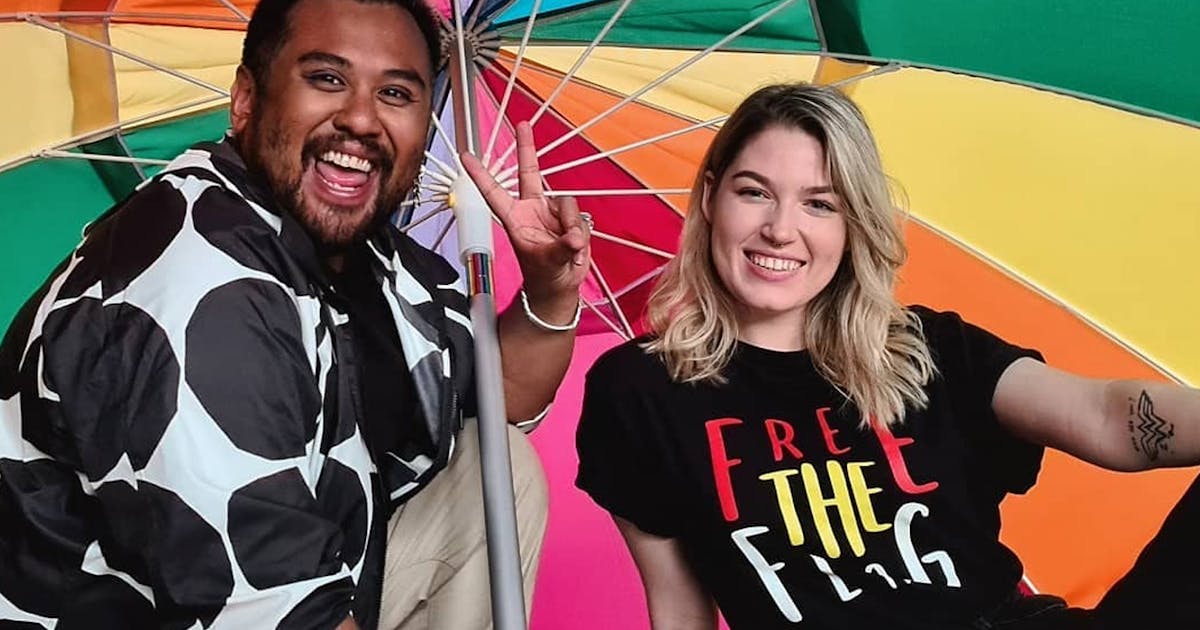
Australian podcasting is experiencing a profound transformation as First Nations voices claim space in the audio landscape, sharing stories that have been marginalized in mainstream media for generations. This emerging wave of Indigenous podcasters is not only creating compelling content—they’re reshaping what Australian storytelling sounds like and what stories get told.
For too long, stories about Indigenous Australians were told by non-Indigenous journalists, filmmakers, and commentators. Podcasting’s accessibility and relatively low barriers to entry have enabled First Nations creators to take control of their own narratives, speaking directly to audiences without editorial gatekeepers filtering or diluting their messages.
Why Indigenous Podcasting Matters
The significance of Indigenous-led podcasting extends far beyond adding diversity to the audio landscape:
Cultural Preservation: Many First Nations podcasters are documenting languages, stories, and cultural knowledge that might otherwise be lost, creating audio archives for future generations.
Authentic Storytelling: When Indigenous people tell their own stories, the perspective, context, and emotional truth differ fundamentally from external accounts, no matter how well-intentioned.
Community Connection: Podcasts create gathering places for Indigenous communities spread across vast geographic distances, maintaining connections and shared identity.
Non-Indigenous Education: These podcasts provide crucial education for non-Indigenous Australians about history, culture, and contemporary issues from First Nations perspectives.
Youth Engagement: Podcast formats appeal to younger generations, helping maintain cultural connections in contemporary, accessible ways.
Groundbreaking Indigenous Australian Podcasts
- Debutopia
Hosted by Uncle Jack Charles and Kirli Saunders, this ABC podcast explores what Acknowledgement of Country really means, featuring conversations with diverse First Nations voices. It’s a masterclass in making complex cultural concepts accessible to both Indigenous and non-Indigenous listeners.
- Looky Looky Here
Produced by Blak Douglas, this podcast examines Australian history from Indigenous perspectives, challenging mainstream historical narratives and revealing stories often omitted from textbooks.
- Speaking Out
This podcast amplifies Aboriginal voices discussing contemporary issues, from politics and policy to culture and community. It provides a platform for conversations that are essential but often ignored in mainstream media.
- Blak Matters
Focusing on issues affecting Indigenous communities, this podcast covers everything from health and education to arts and activism, with Indigenous experts and community members sharing their knowledge and experiences.
- Malandarri
Exploring Indigenous language revitalization efforts, this podcast documents the crucial work of reclaiming and teaching languages that colonial policies attempted to erase.
- Our Voices Our Stories
This podcast features Indigenous Australians from diverse communities and backgrounds sharing personal narratives that counter stereotypes and reveal the full complexity of First Nations experiences.
- IndigenousX Podcast
Extending the influential IndigenousX social media platform into audio, this podcast features rotating Indigenous hosts discussing current events, culture, and issues affecting communities.
- Black Magic Woman
Hosted by Kirli Saunders, this podcast explores Indigenous women’s experiences, achievements, and perspectives, challenging both racial and gendered stereotypes.
Themes in Indigenous Podcasting
Several important themes emerge across Indigenous-led podcasts:
Truth-Telling: Many podcasts address historical injustices, from massacres and forced removals to the Stolen Generations, providing factual accounts that challenge sanitized versions of Australian history.
Contemporary Issues: Podcasts tackle ongoing challenges including deaths in custody, health disparities, education gaps, and land rights battles.
Cultural Celebration: Beyond problem-focused content, many podcasts celebrate Indigenous art, music, language, humor, and cultural practices, showcasing the richness and diversity of First Nations cultures.
Intergenerational Dialogue: Podcasts often feature conversations between Elders and younger generations, preserving knowledge while addressing how traditions evolve.
Connecting Country: For Indigenous people living in urban areas or away from traditional lands, podcasts help maintain connection to country and culture.
The Production Challenge and Opportunity
Creating professional-quality podcasts requires resources that have historically been less accessible to Indigenous creators:
Equipment Costs: Professional microphones, recorders, and editing software represent significant investment.
Technical Skills: Audio production requires training that may not be readily available in remote or under-resourced communities.
Time Investment: Quality podcasting is time-intensive, challenging for creators who may be balancing multiple community responsibilities.
Funding: Without institutional support, independent podcasters struggle to sustain regular production.
However, these challenges are increasingly being addressed through targeted support programs, community media organizations, and the growing recognition of Indigenous content’s value. Organizations are developing training programs, providing equipment, and creating funding pathways specifically for Indigenous podcasters.
Professional facilities like PodRaw Studios represent important resources for Indigenous creators seeking broadcast-quality production values. The studio’s location and professional setup—including 4K video capabilities and professional audio equipment—enable Indigenous podcasters to produce content that competes with mainstream media in technical quality while maintaining complete creative control. Access to such facilities helps address the production quality gap that has sometimes limited the reach of important Indigenous stories.
The Impact of Indigenous Podcasting
These podcasts are creating tangible change:
Educational Influence: Schools and universities are incorporating Indigenous podcasts into curricula, exposing students to First Nations perspectives.
Policy Discussions: Policymakers increasingly listen to Indigenous podcasts to understand community perspectives on proposed programs and policies.
Media Representation: The success of Indigenous podcasts has influenced mainstream media to feature more First Nations voices and stories.
Cultural Reclamation: Podcasts documenting languages and cultural practices support broader revitalization efforts.
Community Healing: For some communities, podcasts provide spaces to discuss trauma, share healing practices, and support collective wellbeing.
The Role of Non-Indigenous Listeners
Non-Indigenous Australians engaging with Indigenous podcasts should approach them with:
Openness to Discomfort: Some content will challenge comfortable narratives about Australian history and contemporary society. Discomfort often signals learning opportunities.
Active Listening: Rather than defensiveness or trying to debate points, focus on understanding perspectives that may differ from what you’ve previously heard.
Respect for Protocol: Some cultural knowledge is shared with explicit boundaries. Respect requests about how information should and shouldn’t be used.
Amplification: Share podcasts with others, helping expand their reach without speaking over Indigenous voices.
Action: Use knowledge gained to support Indigenous-led initiatives, advocate for policy changes, and challenge racism when encountered.
Emerging Indigenous Podcasters to Watch
Beyond established podcasts, numerous emerging creators are developing unique voices:
Youth Podcasters: Young First Nations people are creating podcasts addressing their generation’s experiences navigating identity, education, and activism.
Regional Storytellers: Podcasters from specific language groups and regions are sharing locally-specific stories, countering the tendency to treat all Indigenous Australians as a monolithic group.
Genre Innovators: Indigenous creators are working across genres—true crime, comedy, sports commentary, and more—bringing First Nations perspectives to diverse content categories.
Multimedia Creators: Many podcasters are experimenting with video podcasts, supplementary web content, and social media integration, expanding how stories can be told and received.
The Technical Evolution
Indigenous podcasting is evolving in its technical sophistication:
Production Quality: Early podcasts often had limited resources, but newer productions increasingly feature professional audio quality, sound design, and editing.
Format Innovation: Creators are experimenting with narrative structures, incorporating traditional storytelling techniques into contemporary audio formats.
Collaborative Production: Many podcasts now involve teams with specialized roles—producers, sound designers, researchers—enabling more ambitious projects.
Archival Integration: Some podcasts incorporate historical audio recordings, creating bridges between past and present.
The Intersection with Reconciliation
Indigenous podcasting plays a crucial role in Australia’s reconciliation process:
Truth-Telling Platform: Podcasts provide space for honest discussions about historical and ongoing injustices, essential for genuine reconciliation.
Cultural Education: Non-Indigenous Australians can learn about First Nations cultures, histories, and perspectives, addressing knowledge gaps.
Relationship Building: Regular listening can build familiarity and understanding, foundation for respectful relationships.
Indigenous Leadership: By centering Indigenous voices as knowledge authorities, podcasts model the deference and respect reconciliation requires.
Challenges Facing Indigenous Podcasters
Despite growth, significant challenges remain:
Funding Sustainability: Many creators struggle to fund ongoing production, particularly without compromising editorial independence.
Mainstream Recognition: Award programs, podcast charts, and media coverage still disproportionately feature non-Indigenous creators.
Cultural Load: Indigenous podcasters often feel responsible for educating audiences while also managing their own communities’ needs and expectations.
Platform Bias: Algorithm-driven discovery systems may not adequately surface Indigenous content to audiences who would value it.
Online Harassment: Indigenous creators sharing truth about racism and injustice often face online abuse, creating additional stress and labor.
Supporting Indigenous Podcasters
Non-Indigenous Australians and organizations can support this work:
Financial Support: Subscribe to Patreons, purchase merchandise, or support fundraising campaigns.
Amplification: Share episodes on social media, recommend to friends, and write reviews to boost discoverability.
Institutional Support: Organizations can sponsor episodes, provide grants, or create funding programs specifically for Indigenous creators.
Platform Support: Podcast platforms can feature Indigenous content more prominently and adjust algorithms to increase discoverability.
Respectful Engagement: Leave thoughtful comments, participate respectfully in discussions, and report harassment when witnessed.
The Future of Indigenous Podcasting
Several developments will likely shape coming years:
Increased Professionalization: As funding and support grow, expect more full-time Indigenous podcasters and production teams.
Diverse Genres: Indigenous creators will continue expanding beyond educational and cultural content into entertainment, fiction, and other genres.
International Collaboration: Australian Indigenous podcasters may increasingly connect with First Nations creators globally, sharing experiences and strategies.
Intergenerational Projects: Expect more podcasts explicitly designed to transfer knowledge from Elders to younger generations.
Policy Impact: As these podcasts gain influence, they may increasingly shape public discourse and policy decisions.
Creating Your Own Indigenous Content
For First Nations people considering podcasting:
Start with Your Why: Clarify what you want to achieve—cultural preservation, education, entertainment, activism, or something else.
Know Your Audience: Are you speaking primarily to Indigenous communities, non-Indigenous Australians, or both? This shapes content and approach.
Seek Permission: If sharing cultural knowledge, ensure you have appropriate permission from Elders and knowledge holders.
Build Skills: Take advantage of training programs, mentorship opportunities, and learning resources.
Collaborate: Consider partnering with others who complement your skills—producers, editors, or co-hosts.
Invest in Quality: While starting with available resources makes sense, prioritize improving production quality as you grow.
Access to professional facilities can significantly elevate production quality. Studios offering professional setups with broadcast-grade equipment and comfortable, culturally safe recording environments help Indigenous creators produce content that matches their creative vision and competes in the broader podcast landscape.
The Cultural Significance of Voice
In Indigenous cultures, voice carries particular significance. Oral tradition has transmitted knowledge, law, and stories for tens of thousands of years. Podcasting represents a contemporary expression of this ancient practice—using voice to share knowledge, maintain culture, and connect community.
This cultural continuity gives Indigenous podcasting particular power. It’s not simply adopting a new medium but extending traditional practices into contemporary contexts, demonstrating the adaptability and resilience of First Nations cultures.
Lessons for All Podcasters
Indigenous podcasting offers valuable lessons for all creators:
Authenticity Matters: Audiences respond to genuine perspectives and honest storytelling.
Community Focus: Creating for and with specific communities builds engaged audiences.
Cultural Grounding: Connecting content to deeper cultural values and traditions creates resonance.
Persistence Pays Off: Many successful Indigenous podcasters persevered despite limited resources and mainstream gatekeeping.
Purpose Drives Success: Clear purpose beyond metrics or fame sustains creators through challenges.
Conclusion
The emergence of Indigenous voices in Australian podcasting represents one of the medium’s most significant developments. These podcasts are doing essential work—preserving cultures, challenging historical narratives, educating non-Indigenous Australians, and creating spaces for First Nations communities to connect and be heard.
For non-Indigenous listeners, these podcasts offer invaluable education and perspective. For Indigenous audiences, they provide representation, affirmation, and connection. For all Australians, they contribute to the truth-telling and relationship-building essential for genuine reconciliation.
The continued growth and support of Indigenous podcasting isn’t just about media diversity—it’s about whose stories get told, who gets to tell them, and what kind of nation Australia becomes. As these voices grow louder and reach wider audiences, they’re not just joining the podcast landscape—they’re transforming it, and us along with it.
What Indigenous Australian podcast will you listen to today? Whose story will expand your understanding, challenge your assumptions, or simply remind you of the power of authentic voice?