


Documentary-style audio storytelling has evolved into one of podcasting’s most sophisticated and compelling art forms in 2025. These narrative-driven shows craft immersive experiences that rival the impact of visual documentaries, using only sound to transport listeners into different worlds, illuminate complex stories, and create profound emotional connections. What distinguishes documentary podcasts from other audio content is their commitment to journalistic rigor, narrative craft, and production artistry that transforms factual reporting into unforgettable storytelling experiences.
The documentary podcast genre encompasses true stories told with cinematic techniques: original interviews, archival audio, atmospheric soundscapes, strategic music, and narrative structures that build tension and deliver revelations. These shows tackle subjects ranging from historical events and social issues to personal journeys and cultural phenomena. The best documentary podcasts honor truth while recognizing that how stories are told matters as much as the facts themselves.
Why Documentary Podcasts Captivate Audiences
Intimacy of audio storytelling creates unique connection between story and listener. Unlike visual documentaries that can feel observed from outside, audio documentaries feel whispered directly into consciousness. The theater of the mind creates images more personal and vivid than any screen could provide. Listeners become active participants, constructing mental pictures from sound and narrative.
Portability and accessibility make documentary podcasts fit seamlessly into modern life. Complex, multi-hour stories can be consumed during commutes, workouts, or household tasks. This accessibility democratizes access to sophisticated journalism and storytelling that might otherwise require dedicated viewing time many people cannot afford.
Emotional power of voice and sound design creates visceral impact. Hearing subjects speak in their own voices carries authenticity no re-enacted dialogue can match. Careful sound design—footsteps approaching, doors opening, ambient environments—creates immersion that makes stories feel immediate rather than historical or distant.
Complexity and nuance thrive in long-form audio format. Documentary podcasts can devote hours to single stories, allowing for depth, context, and multiple perspectives impossible in shorter formats. This depth satisfies audiences hungry for substantial content that respects their intelligence and attention.
Core Elements of Documentary Podcast Production
Narrative structure separates documentary podcasts from journalism or interview shows. These productions employ storytelling techniques borrowed from literature and cinema: establishing context, building tension, revealing information strategically, creating character arcs, and delivering satisfying conclusions or thoughtful ambiguity. Structure transforms information into story.
Original interviews provide the human voices that anchor documentary narratives. Skilled interviewers draw out authentic, revealing conversations. The best documentary podcasts feature interviews conducted specifically for the production rather than relying solely on existing media or archival material. These original conversations allow for depth and spontaneity that secondary sources cannot provide.
Archival audio and historical recordings add authenticity and temporal depth. Phone calls, news broadcasts, personal recordings, and public speeches from the times being documented create powerful connections to past moments. Skillful integration of archival audio requires technical expertise to balance historical recordings’ often-poor quality with modern production standards.
Sound design and atmospheric audio create immersive environments. Footsteps, ambient sounds, carefully selected music, and even silence are deployed strategically to support narrative and emotional beats. The best sound design enhances story without drawing attention to itself, creating subliminal emotional resonance that deepens engagement.
Music composition specifically for documentary podcasts elevates emotional impact and pacing. Original scores adapt to narrative needs in ways that licensed music cannot. Composers work closely with producers to create themes, emotional cues, and sonic motifs that unify multi-episode series.
Popular Documentary Podcast Formats
True crime documentaries remain the genre’s most popular subset, but have matured significantly. The best true crime documentary podcasts go beyond sensational details to examine systemic issues, honor victims’ humanity, and explore broader questions about justice, media, and society. Multi-episode deep dives allow comprehensive exploration of complex cases.
Historical documentary series examine past events with fresh perspectives, newly available information, or connections to contemporary issues. These shows make history accessible and relevant, demonstrating how past events shape present circumstances. The best historical podcasts balance education with entertainment, making scholarship engaging.
Social issue documentaries explore contemporary challenges: criminal justice reform, environmental crises, education gaps, healthcare access, housing instability. These shows combine investigative journalism with human stories, putting faces and voices to abstract policy debates. They inform while advocating for awareness and change.
Biographical documentary podcasts examine fascinating individuals’ lives with depth impossible in shorter formats. Multi-episode biography series can explore childhoods, formative experiences, careers, relationships, and legacies comprehensively. The best biographical podcasts complicate simple narratives, revealing complexity in even well-known figures.
Cultural documentary shows explore art, music, subcultures, traditions, or phenomena shaping society. These podcasts illuminate aspects of human creativity and community that mainstream coverage often overlooks. They celebrate cultural production while analyzing what it reveals about societies that create it.
Scientific and nature documentaries translate complex subjects into accessible narratives. These shows explore everything from climate science and biology to cosmology and medicine, making scholarship engaging through storytelling. The audio format allows listeners to absorb complex information while doing other activities.
Personal narrative documentaries follow individuals through transformative experiences or explore memoiristic territory. These intimate shows blur lines between documentary and memoir, using one person’s story to illuminate universal themes. The vulnerability required for effective personal documentaries creates powerful listener connection.
The Production Process
Research forms the foundation of quality documentary podcasts. Producers spend months or years investigating stories before recording. This research phase involves reading documents, conducting preliminary interviews, tracking down sources, and developing deep subject understanding. Thorough research ensures accuracy and identifies narrative threads worth following.
Interview conduct requires both journalistic rigor and emotional intelligence. Documentary producers must build trust with subjects, ask difficult questions tactfully, and create environments where honest, revealing conversations can occur. The best interviewers balance agenda with flexibility, following unexpected directions when subjects reveal surprising information.
Story structuring happens in editing, where hundreds of hours of interviews and audio get shaped into coherent narratives. Editors make crucial decisions about what to include, what order to present information, where to create cliffhangers or revelations, and how to pace stories. This editing process often takes longer than all other production phases combined.
Sound design and mixing transform raw audio into polished productions. This technical work balances voice levels, removes distracting sounds, adds atmospheric elements, integrates music, and creates the sonic signature that defines quality podcasts. Professional sound design makes difficult content accessible and enhances emotional impact.
Production Quality Standards in 2025
Broadcast-quality audio has become standard for documentary podcasts competing for audience attention. Clear voice recording, appropriate music and sound design, and professional mixing are now expected rather than exceptional. This quality requires both equipment and expertise.
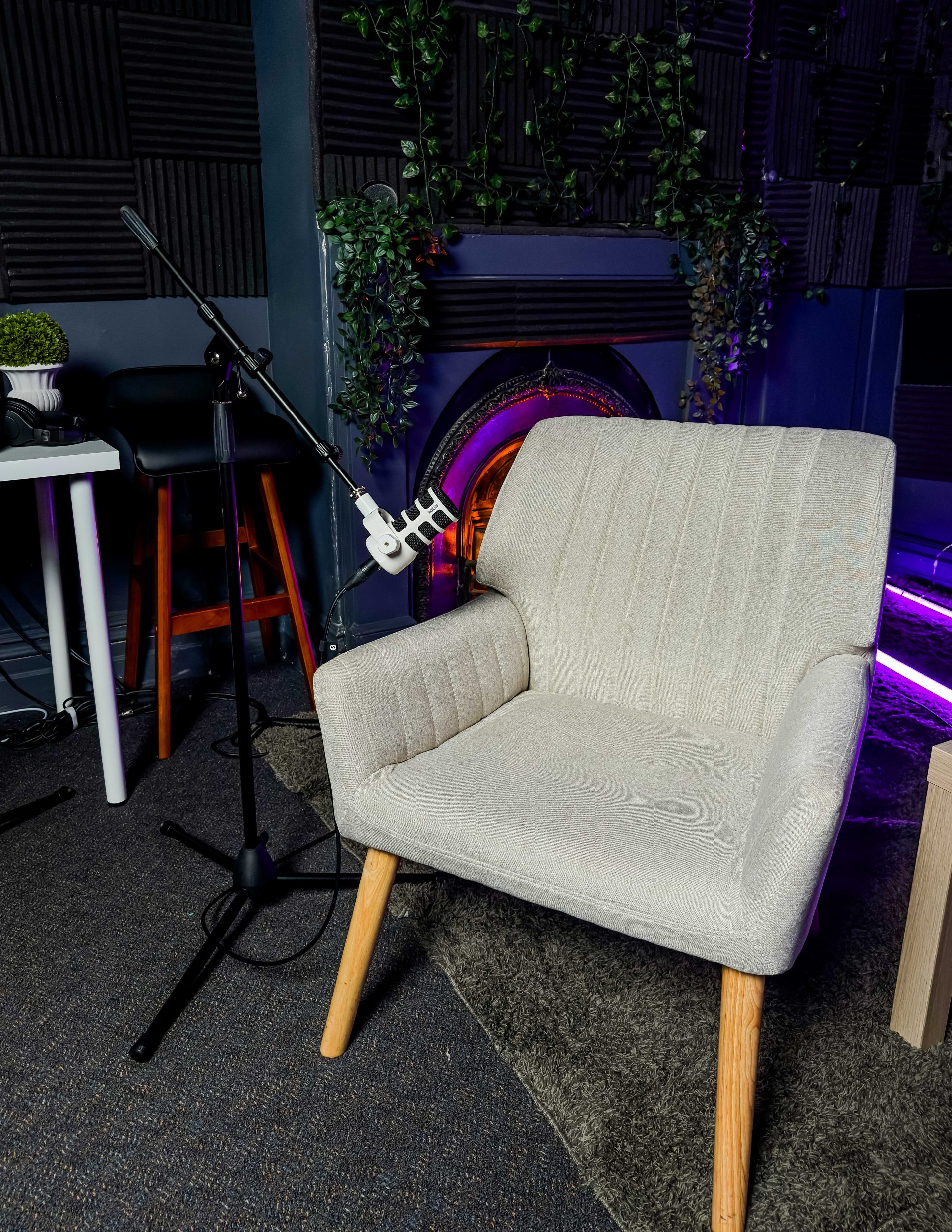
Recording in professional studio environments ensures optimal audio capture, especially for narration and interviews where technical quality must be pristine. Controlling acoustics, eliminating background noise, and using professional microphones makes significant differences in final product quality.
For creators producing documentary-style content, access to professional facilities can elevate projects from amateur to professional quality. Studios equipped for podcast production provide not just technical equipment but also acoustic environments designed specifically for voice recording. The controlled setting allows creators to focus entirely on content and performance without technical distractions.
In locations like Hawthorn, VIC, Australia, studios such as PodRaw Studios offer exactly the professional setup documentary podcasters need. With 4K video recording capabilities, professional audio equipment, and studio environments designed for optimal sound capture, these facilities provide resources that transform good ideas into exceptional productions. When creating documentary content that will be consumed by potentially thousands of listeners, professional recording quality isn’t luxury—it’s essential for competing in the quality-conscious 2025 podcast landscape.
Fact-Checking and Ethical Standards
Accuracy forms the ethical foundation of documentary podcasting. All facts must be verifiable, claims must be supportable, and context must be accurate. Responsible producers employ fact-checkers, consult experts, and correct errors promptly when discovered. The trust audiences place in documentary podcasts depends on deserved reputation for truthfulness.
Subject consent and dignity require careful navigation. Documentary producers must balance public interest with individual privacy and dignity. The best podcasts obtain meaningful consent from subjects, protect vulnerable individuals, and avoid exploitation even of unsympathetic figures. This ethical care builds trust with audiences and subjects alike.
Transparency about methods and limitations helps audiences evaluate documentary claims appropriately. Acknowledging when information comes from single sources, when subjects declined interviews, or when aspects remain unclear demonstrates integrity. This transparency actually enhances rather than undermines credibility.
Bias acknowledgment recognizes that all documentary storytelling involves perspective and selection. While objectivity remains an aspiration, honest documentary makers acknowledge their viewpoints, make editorial choices transparent, and allow audiences to evaluate claims critically rather than accepting narratives uncritically.
The Business of Documentary Podcasting
Production costs for quality documentary podcasts can be substantial. Multi-month research, professional equipment, sound design, music licensing, and team members’ time all require funding. Sustainable documentary podcasting requires viable business models or institutional support.
Sponsorship and advertising provide primary revenue for many documentary podcasts. Quality productions with engaged audiences attract sponsors willing to pay premium rates. The best sponsorships integrate naturally without undermining editorial independence.
Institutional backing from media organizations, public radio, or production companies provides resources for ambitious projects. These partnerships offer financial stability and institutional credibility while potentially constraining complete creative freedom. Successful institutional documentary podcasts negotiate autonomy within organizational frameworks.
Crowdfunding and listener support through platforms like Patreon allow audiences to directly fund documentary journalism they value. This model creates accountability to listeners rather than advertisers and can support niche projects that might not attract mass audiences but serve devoted communities.
Premium content and exclusive access provide additional revenue. Offering early release, bonus episodes, extended interviews, or ad-free versions to paying supporters creates value propositions that dedicated listeners support willingly.
Challenges in Documentary Podcasting
Time and resource intensity makes documentary podcasting challenging to sustain. Productions requiring months of work to produce hours of content strain both creators and business models. Finding sustainable approaches that allow quality without burnout requires careful planning.
Access and trust-building with sources can be difficult, especially for sensitive topics or wary communities. Documentary producers must demonstrate credibility, build relationships over time, and sometimes walk away when trust cannot be established ethically. This relationship work cannot be rushed.
Legal considerations including defamation, privacy, and copyright require attention. Documentary podcasters must understand legal constraints, consult attorneys when necessary, and maintain insurance to protect against potential litigation. These legal protections enable bold journalism while managing risk.
Emotional toll of difficult subject matter affects documentary producers working with trauma, injustice, or tragedy. Vicarious trauma, compassion fatigue, and emotional exhaustion are real risks. Sustainable documentary production requires psychological boundaries and support.
Starting Your Own Documentary Podcast
Identify stories worth telling through sustained exploration. Documentary format suits complex stories with multiple layers, interesting characters, or significant implications. Your first documentary should be story you’re genuinely passionate about exploring deeply.
Develop research and interviewing skills through practice and study. Read about investigative journalism methods, practice interview techniques, and learn how to evaluate sources. These foundational skills separate quality documentary work from superficial storytelling.
Invest in core equipment and skills: quality microphones, audio editing software, and basic sound design knowledge. While you don’t need Hollywood budgets, certain minimum quality standards are necessary for audience retention. As projects and ambitions grow, consider professional recording environments for critical elements.
Build small and iterate. First documentary projects don’t need to be multi-year investigations. Shorter, more manageable stories allow skill development while producing completed works. Learn from each project and gradually tackle more ambitious stories.
Collaborate with others who bring complementary skills. Documentary podcasting benefits from team approaches: researchers, interviewers, editors, sound designers, and fact-checkers all contribute. Building collaborative relationships expands what projects can accomplish.
The Future of Documentary Podcasting
Immersive audio technologies like spatial audio and binaural recording will create even more vivid listening experiences. Imagine documentary scenes that surround listeners with three-dimensional soundscapes that enhance presence and emotional impact.
Interactive documentaries may allow listeners to explore different story paths, access supplementary materials, or experience non-linear narratives. Technology could enable choose-your-own-adventure style documentaries or rich multimedia companions to audio narratives.
Global collaboration will increase as remote recording technology improves and international co-productions become more common. Documentary podcasts exploring global issues will feature truly international production teams and perspectives.
Augmented reality integration might eventually allow listeners to experience documentary content synchronized with physical locations or visual elements, creating hybrid experiences that combine audio storytelling with environmental context.
Why Documentary Podcasts Matter
These shows perform essential cultural work: preserving histories, revealing hidden stories, examining injustices, celebrating achievements, and helping audiences understand complex worlds. Documentary podcasts give voice to perspectives often marginalized in mainstream media and preserve stories that might otherwise be forgotten.
The democratic nature of podcasting allows independent creators to produce documentary work without gatekeepers’ permission or institutional backing. This accessibility has diversified documentary storytelling, bringing new voices and perspectives into public discourse.
Documentary podcasts remind us that truth can be as compelling as fiction, that real human experiences contain profound drama, and that understanding our world requires both facts and storytelling. They demonstrate journalism’s continued vital role while proving that serious content need not be dry or inaccessible.
As we move through 2025, documentary-style audio storytelling continues maturing as an art form. Whether exposing injustice, illuminating history, exploring culture, or telling deeply human stories, documentary podcasts offer something increasingly rare: sustained attention to complexity, nuance, and truth. They invite us to slow down, listen deeply, and understand our world more fully—one carefully crafted story at a time.