


In a world where stress, burnout, and disconnection have become normalized, wellness podcasts offer more than just advice—they provide pathways to sustainable self-care practices that actually improve lives. Australian listeners are increasingly turning to these audio guides for evidence-based strategies, compassionate perspectives, and practical tools for navigating mental health, physical wellbeing, and overall life balance.
Wellness has evolved beyond bubble baths and face masks. Contemporary self-care recognizes that true wellness requires addressing mental health, physical health, relationships, purpose, and systemic factors affecting wellbeing. The best wellness podcasts reflect this complexity, offering holistic approaches rather than quick fixes or toxic positivity.
Why Wellness Podcasts Create Real Change
Several factors make podcasting particularly effective for wellness content:
Accessibility: Listen during activities that support wellness—walking, cooking, resting—making self-care knowledge integrate seamlessly with daily life.
Regular Support: Weekly episodes create consistent touchpoints, reinforcing practices and providing ongoing motivation rather than one-time inspiration.
Intimate Connection: Hearing voices of hosts and guests creates personal relationships that feel supportive rather than prescriptive.
Diverse Expertise: Access to psychologists, physicians, spiritual teachers, and people with lived experience provides multifaceted perspectives on wellness.
Normalization: Hearing others discuss struggles reduces shame and isolation, helping listeners understand their challenges are shared rather than unique.
Top Wellness Podcasts Transforming Lives
- The Happiness Lab with Dr. Laurie Santos
Yale professor Dr. Santos explores science-backed strategies for happier living, translating research into actionable practices. Her approach balances academic rigor with accessibility, making psychology research personally applicable.
- Feel Better, Live More with Dr. Rangan Chatterjee
This British doctor explores holistic health through conversations with experts across medicine, psychology, nutrition, and wellbeing. His integrative approach resonates with Australian audiences seeking comprehensive health strategies.
- Unlocking Us with Brené Brown
Brown’s research on vulnerability, courage, and shame has transformed how we think about emotional wellbeing. Her podcast extends this work through conversations that normalize human struggles and celebrate authentic connection.
- The Model Health Show
Shawn Stevenson combines nutritional science, sleep research, and lifestyle medicine to provide evidence-based strategies for physical and mental optimization.
- On Being with Krista Tippett
Exploring big questions about meaning, purpose, and the human experience through conversations with thinkers, artists, and spiritual leaders from diverse traditions.
- Ten Percent Happier with Dan Harris
Harris brings skeptical curiosity to meditation and mindfulness, interviewing teachers and practitioners while maintaining journalist’s questioning approach that appeals to meditation newcomers.
- The Mindful Kind
Australian host Rachael Kable offers gentle, practical mindfulness techniques in accessible episodes perfect for busy lives.
- The Rich Roll Podcast
Ultra-endurance athlete Rich Roll explores plant-based nutrition, peak performance, and living purposefully through long-form conversations with diverse guests.
- That’s So Retrograde
Blending wellness with humor and skepticism, this podcast explores alternative health practices while acknowledging when things verge on ridiculous.
- Terrible, Thanks for Asking
Nora McInerny’s podcast honors that sometimes life is genuinely terrible, offering space for authentic struggle rather than forced positivity.
Key Themes in Wellness Content
Successful wellness podcasts address core areas:
Mental Health: Evidence-based strategies for managing anxiety, depression, stress, and emotional challenges while reducing stigma around mental health struggles.
Physical Health: Nutrition, movement, sleep, and other foundations of physical wellbeing, emphasizing sustainable approaches over extreme interventions.
Mindfulness and Presence: Techniques for present-moment awareness, meditation practices, and cultivating peace amid chaos.
Relationships: Healthy communication, boundary-setting, attachment patterns, and building supportive connections.
Purpose and Meaning: Exploring what makes life meaningful, aligning actions with values, and finding purpose beyond productivity.
Self-Compassion: Developing kind self-talk, embracing imperfection, and extending yourself the grace you’d offer others.
Systemic Awareness: Recognizing that individual wellness connects to systemic factors like workplace culture, economic inequality, and social structures.
Evidence-Based Approaches
Quality wellness content distinguishes science from pseudoscience:
Research Foundation: Claims backed by peer-reviewed research rather than anecdotal evidence or marketing hype.
Credentialed Experts: Featuring psychologists, physicians, registered dietitians, and other qualified professionals rather than self-proclaimed gurus.
Nuanced Perspectives: Acknowledging that wellness approaches aren’t one-size-fits-all and must adapt to individual circumstances.
Transparent Limitations: Honest about what evidence supports versus what remains uncertain or controversial.
Skepticism of Trends: Critical examination of wellness fads rather than uncritical promotion of every new practice.
Creating Impactful Wellness Content
For podcasters in wellness space, effectiveness requires:
Authentic Vulnerability: Sharing personal struggles alongside strategies builds trust and relatability.
Qualified Information: Either possess relevant credentials or feature credentialed experts. Health information requires accuracy.
Actionable Practices: Each episode should offer specific, implementable strategies rather than just inspiration.
Inclusive Language: Acknowledge diverse bodies, abilities, circumstances, and approaches to wellness.
Avoid Toxic Positivity: Balance optimism with acknowledgment that struggle is real and sometimes things genuinely are difficult.
Production Quality: Clear, consistent audio matters particularly for content designed to create calm and support wellbeing.
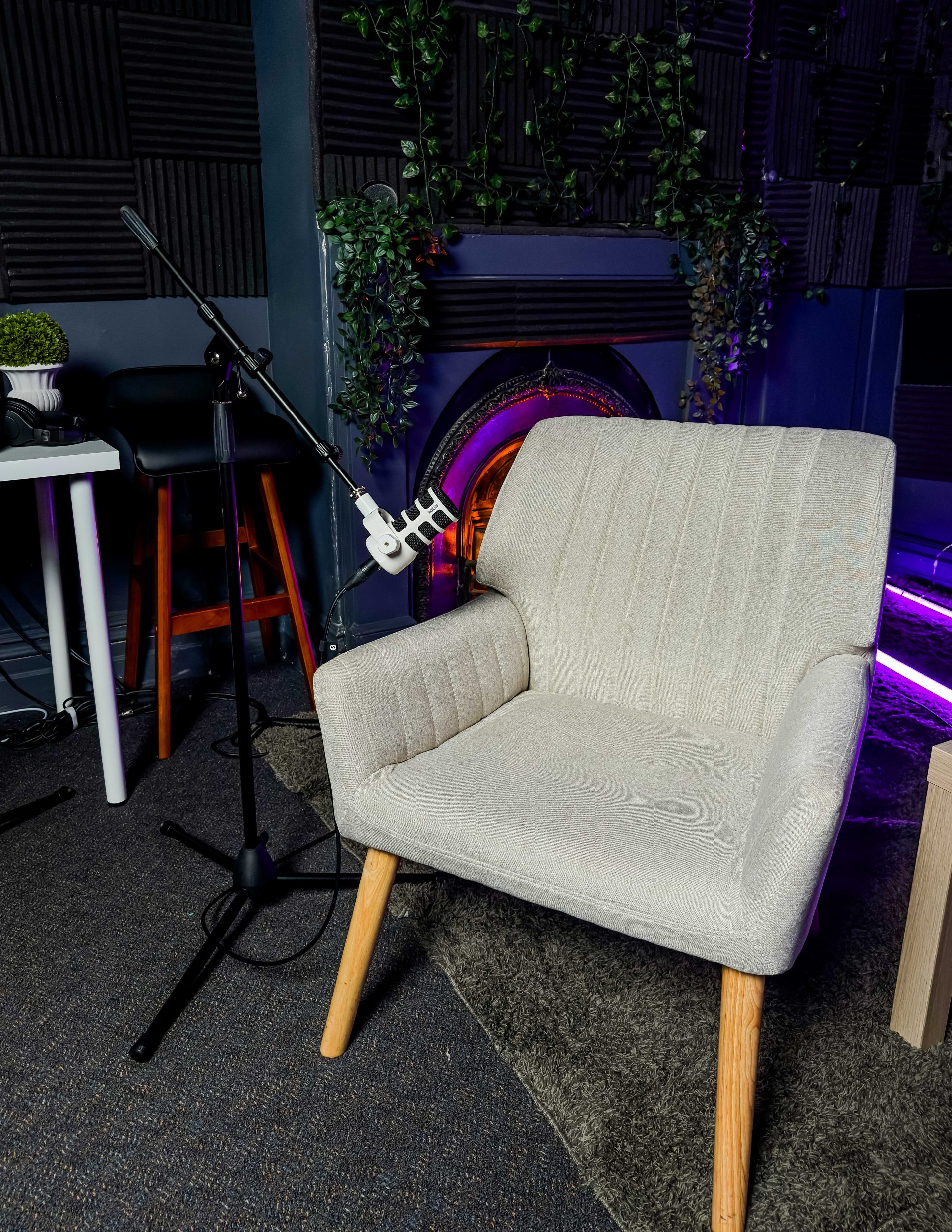
Facilities like PodRaw Studios provide professional recording environments essential for wellness podcast credibility. High-quality audio creates the calming, professional atmosphere wellness content requires. The studio’s 4K video capabilities support video podcasts increasingly popular in wellness space, where guided practices benefit from visual demonstration. The comfortable, aesthetically-designed environment and convenient location enable regular guest appearances from wellness experts, therapists, and practitioners whose diverse voices enrich content depth.
Avoiding Wellness Content Pitfalls
Responsible wellness podcasting navigates potential issues:
Privilege Blindness: Acknowledge that many wellness practices require time, money, or circumstances not everyone possesses.
Medical Boundaries: Clear about when professional medical or mental health care is necessary versus podcast guidance sufficiency.
Cultural Appropriation: Mindful about borrowing from spiritual or cultural traditions, centering authentic voices and acknowledging origins.
Diet Culture: Distinguish wellness from diet culture’s harmful messaging about body size, food morality, and appearance.
Ablist Assumptions: Recognize not all bodies can do all practices. Offer modifications and alternatives.
Emerging Trends in Wellness Podcasting
The genre continues evolving:
Men’s Wellness: Growing content addressing men’s mental health, emotional expression, and wellness beyond traditional masculinity constraints.
Racial Trauma: Increased attention to how racism affects wellbeing and culturally-responsive healing approaches.
Climate Anxiety: Addressing environmental grief and anxiety while maintaining hope and agency.
Digital Wellness: Strategies for healthy technology relationships in increasingly online lives.
Collective Wellbeing: Recognition that individual wellness requires addressing systemic issues affecting community health.
Maximizing Wellness Podcast Benefits
Listeners can optimize learning:
Regular Practice: Listening isn’t enough. Schedule time to implement suggested practices.
Journal Responses: Write about insights, feelings, and experiences applying podcast wisdom.
Start Small: Choose one practice per month to integrate rather than overwhelming yourself trying everything.
Community Connection: Join podcast communities to share experiences and support implementation.
Professional Support: Use podcasts as complement to, not replacement for, professional care when needed.
Measuring Wellness Growth
Track beyond just consumption:
Daily Function: Are you managing daily responsibilities more effectively?
Relationship Quality: Are connections deepening and conflicts resolving more constructively?
Emotional Regulation: Can you navigate difficult emotions with greater skill?
Physical Health: Are energy, sleep, and physical symptoms improving?
Life Satisfaction: Do you feel generally more content and purposeful?
The Business of Wellness Podcasting
Monetization opportunities include:
Coaching Services: Podcast audiences readily invest in personalized coaching from trusted hosts.
Online Courses: Deep-dive courses expanding podcast content generate significant revenue.
Retreats and Events: Wellness audiences value in-person community experiences.
Sponsorship: Wellness products and services attract brands wanting access to engaged, values-aligned audiences.
Books and Products: Successful podcasters often launch books, meditation apps, or wellness products.
Wellness and Australian Culture
Local context matters:
Workplace Culture: Australian workplace expectations around availability and productivity affect wellness approaches.
Outdoor Access: Australia’s climate and natural environments offer unique wellness opportunities through nature connection.
Mental Health Stigma: While improving, Australian masculine culture particularly can make mental health discussion challenging.
Healthcare System: Understanding how Medicare and Australian mental health system work affects access recommendations.
The Future of Wellness Podcasting
Several developments will shape the genre:
Personalization: AI might customize wellness content to individual needs, progress, and preferences.
Biometric Integration: Podcasts potentially responding to data from fitness trackers or health apps.
Virtual Support Groups: Structured listener communities offering peer support beyond passive listening.
Therapeutic Partnerships: Collaborations between podcasters and licensed therapists offering tiered support from free content to paid therapy.
Interactive Practices: Choose-your-own-adventure style guided meditations or wellness practices adapting to listener choices.
Practical Steps to Start
For wellness podcast newcomers:
Identify Priorities: What wellness area needs most attention? Choose podcasts addressing that specifically.
Diverse Approaches: Subscribe to both evidence-based scientific shows and spiritually-oriented content to balance perspectives.
Give Time: Wellness changes require consistency over weeks and months, not instant transformation.
Skeptical Openness: Remain open to new practices while maintaining healthy skepticism about claims.
Professional Care: Always seek professional help for serious mental or physical health concerns.
Conclusion
Wellness podcasts offer genuine pathways to improved mental health, physical health, and overall life satisfaction. They provide accessible, evidence-based strategies delivered with compassion and practical wisdom. Australian listeners have access to extraordinary wellness content addressing diverse needs, circumstances, and wellness philosophies.
The most effective engagement with wellness podcasts balances learning with practice, inspiration with action, and individual work with professional support when needed. These podcasts work best as tools in comprehensive self-care approaches, not as substitutes for necessary medical or mental health care.
As Australia grapples with rising rates of anxiety, depression, and burnout, wellness podcasts serve important public health functions, normalizing struggles and providing accessible support. They remind us that caring for ourselves isn’t selfish—it’s essential for showing up fully in our lives and relationships.
What wellness practice will you begin today? Which podcast will guide your journey toward greater wellbeing? What’s one small change you’ll make this week that honors your health and happiness?